
Period-style conservatory, steel frame, made to order
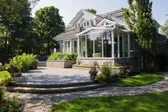
A period-style conservatory pairs a steel frame with large glazed surfaces, shaped to order by our partner workshop — sized for your actual house, not sold as a standard kit.
Our approach
A steel conservatory, sized for your house
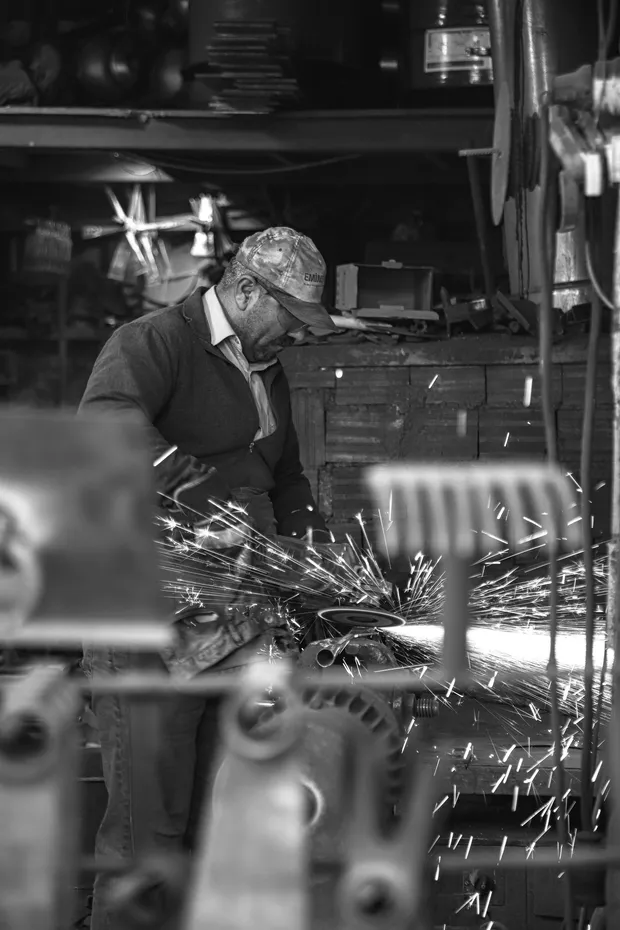
Shaped to order, paperwork included
Made to measure
Every structure is sized to your actual façade — available width, eave height, orientation — never sold in one fixed size.
See pricingInsulation, studied together
Thermally broken profiles and insulating glazing chosen together, for a room you can genuinely use year-round.
Compare optionsWho we are
An ironwork workshop, a conservatory designed around you
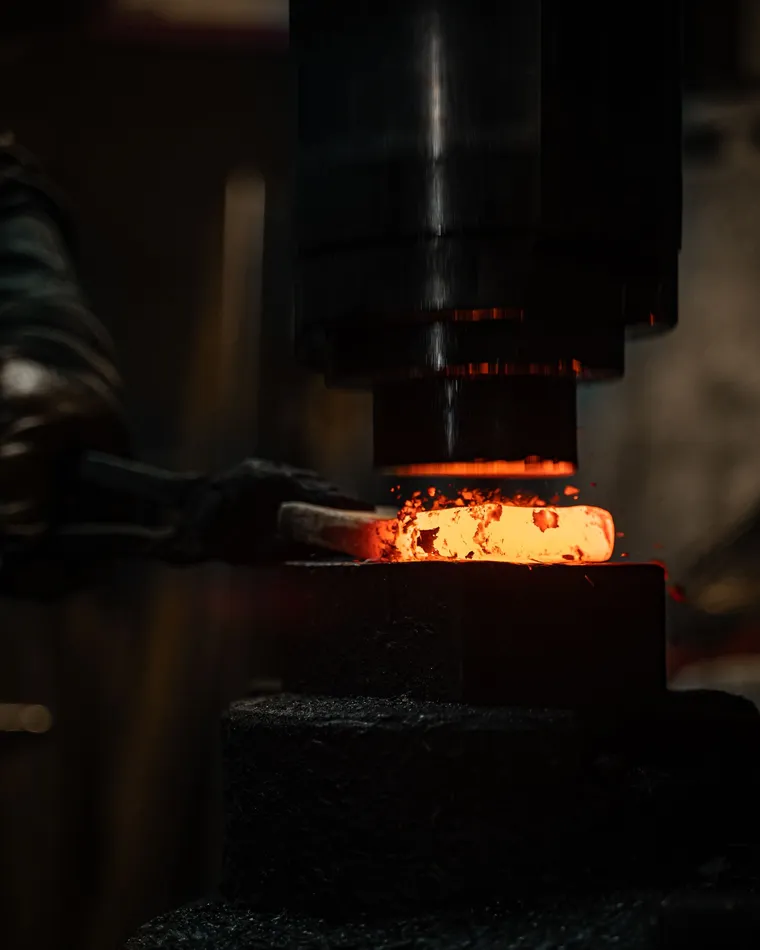
Every conservatory is built to order by our partner workshop — not bolted together from imported kit parts. That fit to your façade and your project is what sets a made-to-order conservatory apart from a standardised model.
- Shaped and assembled in the workshop
- Measurements confirmed at the quote stage
- Workshop reply within 48 h
Made-to-order range
Two styles, one craft
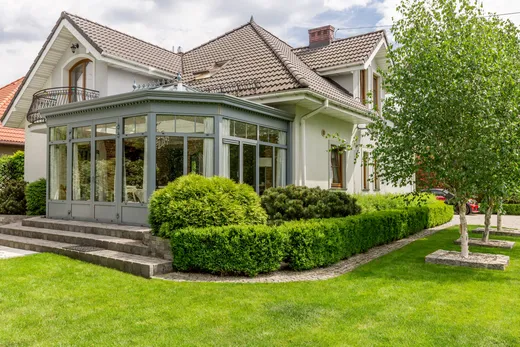
Victorian conservatory
Curved roof, ornamental ridge cresting and tall pillars — the historic style of 19th-century English glasshouses, adapted to a heated living space.
Learn more →
Studio-style conservatory
Straight lines and wide, thin-barred glazing, inspired by early-20th-century artist studios.
Learn more →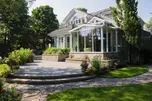
Help & advice
Frequently asked, answered by the workshop
What's the difference between a conservatory and a greenhouse?
A conservatory is attached to the house, heated, and designed as an extra living room, with the thermal and planning rules that implies. A greenhouse stays a standalone, unheated garden structure for growing plants — a different structure, with its own rules. Our workshop also builds greenhouses, see the network.
Do I need planning permission for a conservatory?
In most cases, yes: under 5 m² of ground coverage, generally no formality; between 5 and 20 or 40 m² depending on the zone, a declaration (déclaration préalable) is enough; beyond that, full planning permission is required, with a mandatory architect if your home's total floor area exceeds 150 m². See our dedicated page for detail, and always check with your local planning office (mairie).
Does steel insulate as well as aluminium or timber?
Not naturally: steel conducts heat well, which is why thermally broken profiles (an insulating insert interrupts the metal) matter for limiting heat loss and condensation. Timber remains the best natural insulator; steel and aluminium both need that thermal break to compete. Detail on our glazing and insulation page.
Direct workshop contact
Let's talk about your project, directly
The form alongside is all you need to start the conversation — expect a first estimate from the workshop within 48 h.
Free quote